Autoimmune Skin Recovery Facial Westchester — 2026 Details
Explore the details of autoimmune skin recovery facials with longevity tips and aftercare advice for lasting results in Westchester.
For those experiencing autoimmune skin concerns, specialized recovery facials offer tailored solutions. These treatments typically last from 60 to 90 minutes, providing immediate soothing effects. The unique needs of autoimmune conditions require a cautious, professional approach, which can be custom-fitted to an individual's skin type.
Fast facts — autoimmune skin recovery facial at a glance (2026)
The short answer
An autoimmune skin recovery facial typically lasts 60-90 minutes. The treatment is crucial for soothing inflamed skin. Aquaphor and similar gentle products are often used. Longevity varies by skin type and lifestyle factors. To explore these treatments, visit our blog page.
What changes the lifespan
The effectiveness and longevity of your facial will depend on several factors. The technique used can greatly influence outcomes. Providers with NCEA certification have proven methods that adapt to each skin type. Post-treatment lifestyle, including stress and exposure to irritants, can lessen benefits faster than anticipated.
How to make it last longer
To prolong the benefits of these facials, adhere strictly to recommended aftercare protocols. Dermatologists suggest using hydrating products like SkinCeuticals C E Ferulic to reinforce skin barriers. Regularly scheduled maintenance treatments every 4-6 weeks help sustain results. Seek advice from certified professionals at accredited clinics for personalized recommendations.
When to book the redo
Indicators that it might be time to book another facial include the return of redness or irritation that the facial originally alleviated. Regular sessions every 4-6 weeks allow for continued improvement and adaptation to evolving skin needs. On average, these sessions can range from $120 to $180 per treatment.
Longevity vs alternatives
Various skin recovery treatments differ in duration and cost. Here's a quick comparison:
| Treatment | Cost/Session | Frequency | Best for | Key Benefit |
|---|---|---|---|---|
| Standard Recovery | $120-$180 | 4-6 weeks | Inflamed skin | Customizable products |
| Alternative Peeling | $80 | Monthly | Deep exfoliation | Active renewal agents |
Factors Affecting Pricing
The cost of an autoimmune skin recovery facial can vary considerably due to several factors that aren't transparent at the initial inquiry. Beyond the base session pricing of $120-$180, additional costs like specialized products recommended during the treatment contribute to the final bill. The cost can increase significantly when using premium or brand-specific products such as SkinCeuticals or tailored solutions. The expertise and credentials of the provider may also increase the session fee. Those with more advanced certification or a specialty in autoimmune conditions often charge more. Before booking, ask the clinic directly if consultations, pre-treatment products, and any follow-up care are included in the quoted price or billed separately.
Evaluating Provider Quality
Choosing a provider experienced in autoimmune skin recovery requires due diligence. Check if specialists have certifications like NCEA or documented training in autoimmune skin conditions. Reviews and testimonials on independent platforms can reflect real patient experiences. During a consultation, inquire about the practitioner's experience specifically with autoimmune conditions, and ask for the protocol they intend to use for your case. Consider the clinic's adherence to hygiene and cross-contamination standards, especially when dealing with sensitive skin. An initial red flag would be clinics that cannot clearly outline their experience or offer vague treatment plans.
Key Questions to Ask During Consultation
Before committing to a facial, requesting a detailed consultation is essential. Key questions include how treatments will specifically be tailored to your autoimmune condition and the expected post-treatment side effects. Ask about any homecare products you might need and whether they're included in the pricing. Check what immediate results to expect and any gradual improvements. Determine the clinic’s policy regarding post-treatment emergencies, particularly if you have a flare-up. Find out how accessible your provider will be for questions or concerns after the treatment if adverse reactions occur.
Weighing Budget vs Benefits
While high-quality auto-immune skin recovery facials may be priced at the higher end ($180+ per session), they are sometimes worth the investment due to the potential for greater, prolonged relief. However, those on a budget might consider less frequent sessions or alternative basic treatments if immediate, intense reactive care isn't necessary. Economizing might involve simpler, routine skincare with dermatology-recommended OTC products as a supplement between professional treatments. Always discuss financial constraints openly with your provider; they may have flexible packages or treatment plans that align better with your budget while still offering reasonable efficacy.
Understanding the Impact of Aftercare Products on Results
Choosing the right aftercare products can significantly influence the success and longevity of an autoimmune skin recovery facial. Look for non-comedogenic, fragrance-free options to maintain the skin barrier. Top dermatologists recommend serums with antioxidants, like those containing vitamin C or E, to combat environmental damage post-treatment. The aftercare regimen's cost can vary, with recommended products like SkinCeuticals C E Ferulic priced upwards of $166 per bottle. Be wary of upselling during your consultation and cross-reference product recommendations with credible online reviews for genuine feedback.
Analyzing Cost Variation by Location
Where you book your facial in Westchester can considerably affect the price. Urban areas often command higher fees due to increased overheads compared to suburban settings. Providers based in premium venues may charge more, not necessarily for superior service but to cover the cost of lease and amenities. Consider clinics slightly removed from prime locations for potential savings without compromising on quality. Inquire about any ongoing promotions or seasonal discounts during your consultation to optimize budget management.
Importance of Patch Testing Before Treatment
Especially for those with autoimmune conditions, a patch test is vital to prevent adverse reactions. A competent provider should offer this precaution during the initial consultation. Patch tests help identify potential sensitivities to active ingredients used in the facial, such as BHAs or specific essential oils. Ask for a patch test 48 hours before the scheduled facial if you are trying a new clinic or product line. This time frame allows for the observation of any late-emerging reactions, ensuring the actual treatment proceeds safely.
Complementary Therapies to Enhance Results
Consider incorporating complementary therapies such as Reiki or gentle lymphatic drainage massage to maximize the facial's benefits. These additional treatments can support relaxation and enhance nutrient delivery to the skin. While not necessary, these therapies might be right if stress is a significant factor in your skin's condition. While Reiki session rates vary, expect additional costs starting around $50. Verify the credentials of massage therapists to ensure they have experience working with clients with autoimmune issues, as the technique and touch need to be particularly gentle.
Conclusion
Choosing a skin recovery facial in cases of autoimmune concerns requires both expertise and care. The best outcomes often come from those who consistently engage in routine maintenance treatments tailored to personal skin conditions. Compare pricing and frequency with options like alternative chemical peelings, which provide different benefits at potentially lower costs.
Next: Explore our guide on top dermatologists offering specialized treatments.
FAQs
1. How does an autoimmune recovery facial differ from a standard facial?
Autoimmune recovery facials are specifically designed to address inflammation and other skin issues common in autoimmune disorders. They use hypoallergenic and anti-inflammatory products, unlike standard facials which may not cater to such specific conditions.
2. What aftercare is suggested following this facial?
Post-treatment, it is crucial to maintain hydration and avoid harsh products. Incorporating creams such as Aquaphor can prevent texture issues and protect the skin's barrier quickly after the treatment.
3. Are these facials suitable for all autoimmune conditions?
While many can benefit, individual suitability should be assessed by a dermatologist to align treatment with specific needs and conditions, offering protections tailored to personal autoimmune presentations.
4. Can diet and lifestyle change affect the facial's effectiveness?
Absolutely. Reducing stress, maintaining a balanced diet rich in anti-inflammatory foods, and avoiding triggers such as excessive sun can significantly improve outcomes and longevity.
5. How do I find a qualified esthetician for this facial?
Look for licensed professionals whose profiles mention experience with autoimmune treatments, such as those vetted by the Oncology Esthetics board or similar recognized entities.
6. Is it safe to combine this treatment with medical treatments for autoimmune conditions?
Generally, yes, but consulting with both your dermatologist and treatment technician beforehand can ensure the right precautions are taken.
For local options, explore our listings page to find nearby professionals who specialize in autoimmune skin recovery treatments.
Sources & references
Frequently asked questions
What is the price for an autoimmune skin recovery facial?
How long does an autoimmune skin recovery facial last?
What aftercare should I follow post-facial?
How can I choose the right specialist for my facial?
What factors can affect the results of the facial?
How often should I schedule follow-up treatments?
Slots go fast
Book now
Saturday and after-work appointments are the first to disappear. Grab yours while the calendar is still open.
Reserve my slotBooking with Gloss Skincare
Related articles
Facial Consultations: 3 Tips to Prepare for Success
Prepare for your facial consultation to ensure optimal results from esthetician services. Discover expert tips on how to optimize your experience.
Top 3 Facials in Houston for Glowing Skin (2023)
Discover the best facials in Houston for achieving radiant, healthy skin. We explore top treatments, local clinics, and expert tips.
Carbon Laser Facial Cost: Hollywood Peel Process, Results & Safety
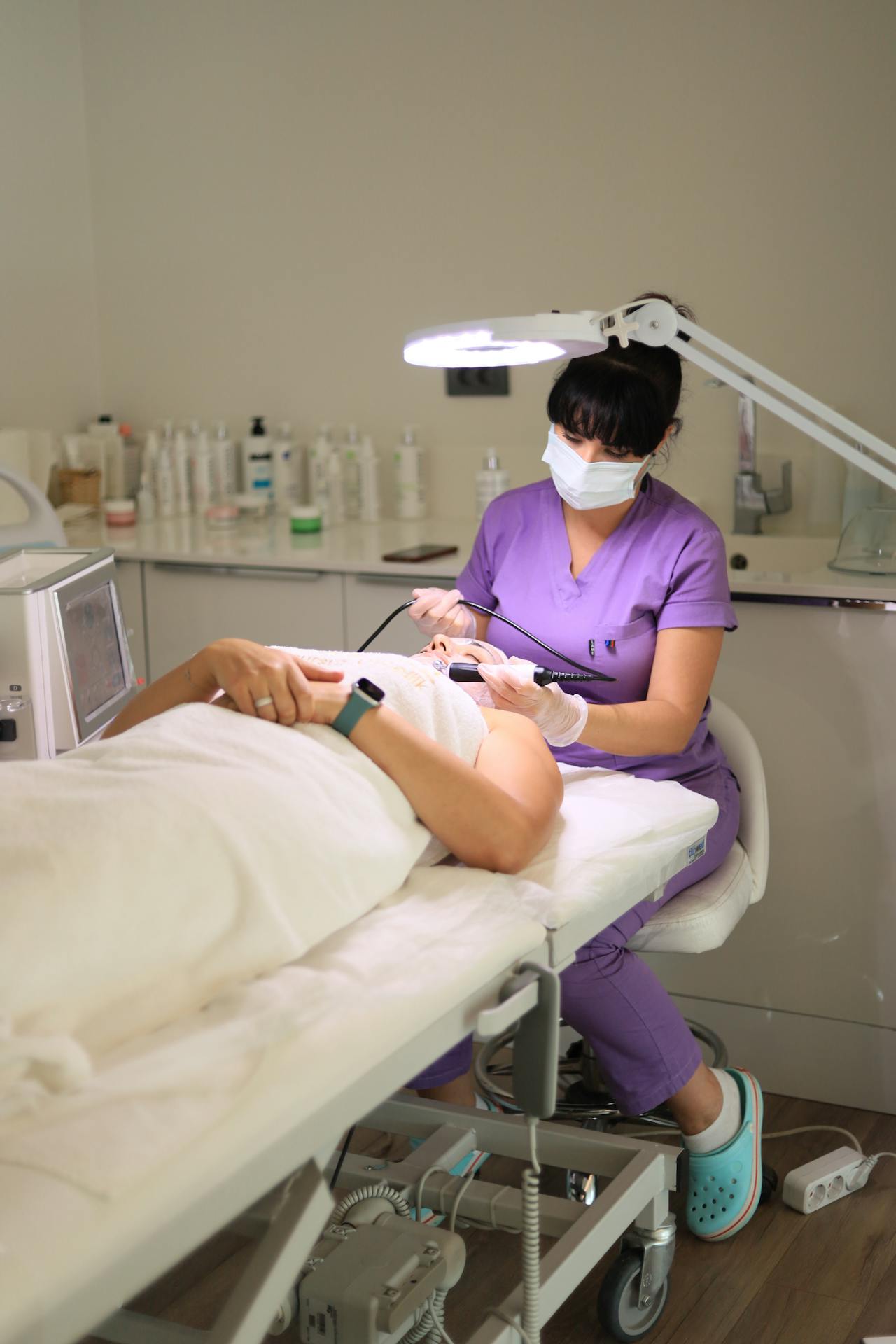
Carbon laser facials (Hollywood Peel) cost $185–$650 per session in the US in 2026. Here's the process, realistic results, downtime, and which skin types should book.

Bridal Skincare Timeline: 12 Weeks to Radiance in 2026
The dermatologist-endorsed bridal skincare protocol runs 12 weeks pre-ceremony. Weeks 12-9: exfoliation. 8-5: brightening. 4-2: hydration + barrier. Week 1: minimal, no new actives. Wedding day: gentle prep only.
2026 Facial Frequency: 4 Weeks Beats Quarterly
Should you book a facial every 4 weeks, every 6, or quarterly? The 2026 evidence-based answer depends on the facial type, skin condition, and whether a board-certified dermatologist is involved.
Dermaplaning Facial Cost in 2026: $65–$145
$45 to $150 buys a 30- to 60-minute dermaplaning facial in 2026. Compare standalone, add-on, and combo pricing across US cities and skin types.
Your First Hydrafacial: Timeline, Cost, and Results
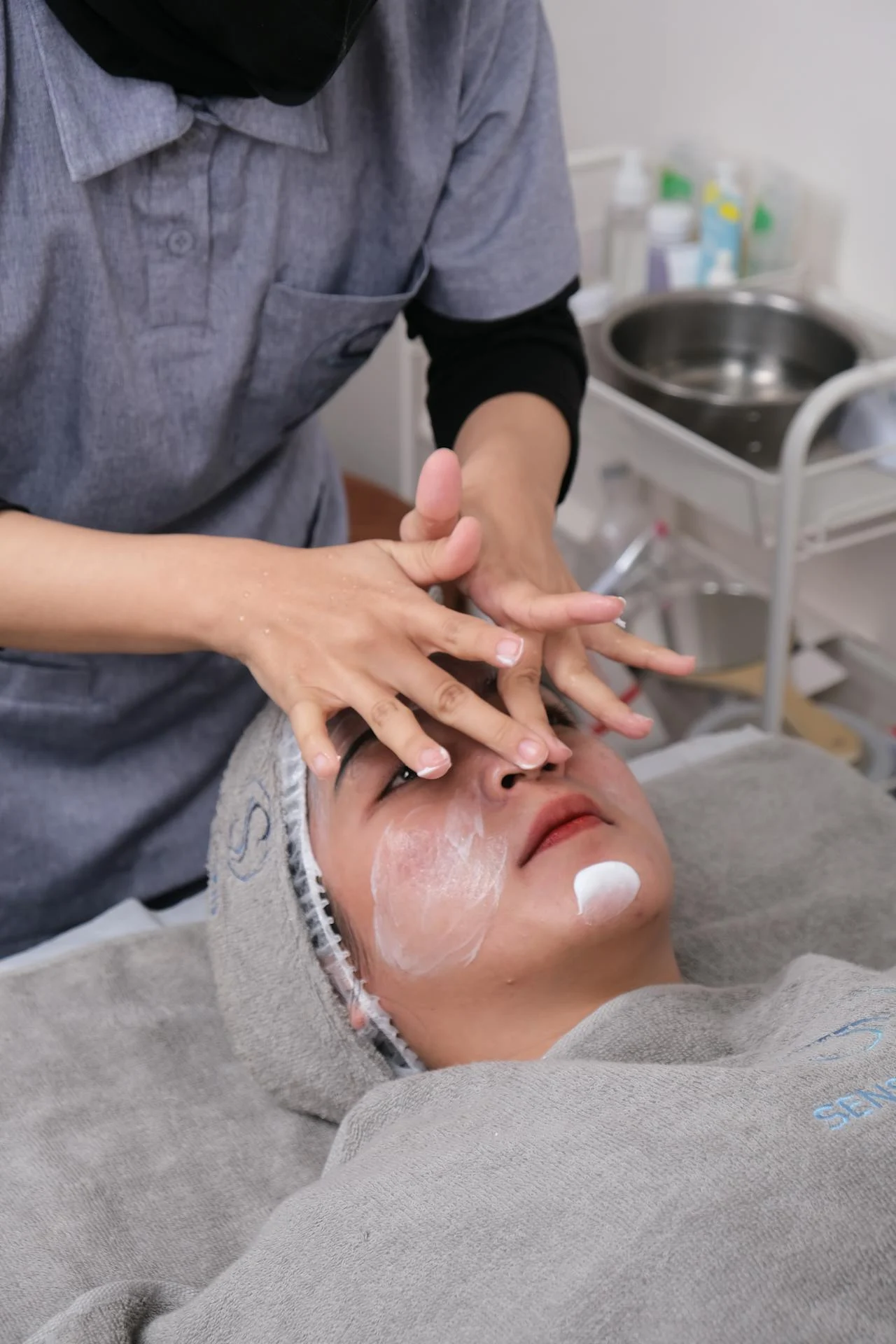
A Hydrafacial costs $175-$350 and takes 30-50 minutes. See the 6-step process, what to expect at each stage, results timeline, and aftercare.
Best Facial Ever — Proven Selections for 2026
Explore the top facials in your area with verified prices and expert criteria to ensure you get the best facial experience possible.