Chemical Peel vs Microneedling: Houston Insights
Discover the key differences between chemical peels and microneedling in Houston. Find out which is better for various skin types.
Choosing between chemical peels and microneedling in the vibrant city of Houston is crucial for achieving optimal skin rejuvenation results. While both treatments offer significant benefits, understanding their differences helps in making an informed decision that aligns with your skin health goals.
Fast facts — chemical peel vs microneedling at a glance (2026)
Chemical Peels: What You Need to Know
Chemical peels use a variety of chemical solutions to remove the outer layers of skin. In Houston, their popularity lies in their effectiveness for pigmentation correction. A wide range of peels includes superficial peels with glycolic acid, as well as deeper peels with trichloroacetic acid (TCA). The FDA regulates these products to ensure safety and efficacy.
Choosing a peel depends on your skin type and concern. Heights Skincare offers a selection of peels suitable for diverse needs, particularly benefiting those with sun-related pigmentation issues common in sunny Houston. Aftercare, such as moisturizing and sun protection, plays a vital role in maximizing results. It is also critical to understand that while chemical peels primarily address pigmentation, they contribute to an improved overall skin texture by promoting the growth of newer, smoother skin.
Chemical peels can also address fine lines and prepare the skin for better absorption of skincare products. These peels can be performed in varying strengths depending on the depth of peel desired. For instance, a superficial peel has minimal downtime, whereas a deep peel might require a longer recovery period. Understanding the layers of skin affected is crucial for anticipating recovery time and end results.
Chemical peels are not just for pigmentation and fine lines; they can also improve overall skin tone and clarity. By promoting the shedding of damaged surface skin, peels encourage the development of fresh, healthier skin beneath. This process can also make the skin more receptive to topical products, enhancing their effectiveness.
Microneedling: Key Benefits
Microneedling involves creating tiny punctures in the skin to stimulate collagen production. This technique is often favored for its ability to reduce scars, wrinkles, and fine lines effectively. With quicker recovery times, microneedling is ideal for those seeking less downtime. Estheticians at Organic Spa Houston report excellent results, highlighting its capacity to rejuvenate skin in just a few sessions.
Microneedling's impact is enhanced with serums, making it a favorite for clients looking for intensive results without chemical exposure. Hyaluronic acid serums applied post-session can drastically enhance moisture retention, promoting faster healing and more pronounced results.
Microneedling offers a versatile solution for various skin concerns, as it can be customized to different skin depths and included in a broader skincare regimen. This versatility allows for targeted treatment of difficult areas, such as around the eyes or mouth, providing significant improvement in overall facial appearance. Moreover, it stimulates elastin production, which enhances skin elasticity, offering lasting youthful effects.
Head-to-Head Comparison
In the battle of chemical peel vs microneedling, effectiveness varies based on the skin issue. According to the American Academy of Dermatology, chemical peels may offer more dramatic results for pigmentation, while microneedling excels at targeting scars and texture improvement.
Post-treatment care is critical for both. Following a peel, sun protection and the use of soothing creams like Aquaphor are a must. Microneedling requires hyaluronic acid serums post-session to aid healing. Choosing the right post-care can significantly influence long-term results.
Efficient aftercare ensures the longevity of treatment results. Using products that nourish and protect the delicate post-treatment skin is crucial. Clients are advised to avoid harsh sun exposure and use comprehensive sunscreen.
In addition to appearance enhancements, both treatments improve skin flexibility and strength over time, making them valuable components in a long-term skincare strategy. It’s important to regularly consult with a skincare specialist to tailor your regimen as your skin's needs evolve.
| Treatment | Price/Session | Recovery | Best for | Key Note |
|---|---|---|---|---|
| Chemical Peel | $150–$600 | 3–7 days | Pigmentation | Requires sun protection |
| Microneedling | $200–$500 | 24–48 hours | Scars & texture | Combine with serums |
Conclusion
Choosing between these treatments depends largely on your specific skin concern. For those in the Houston climate, each option offers unique benefits. Consulting with a professional at Organic Spa Houston or Heights Skincare can help customize your approach to skincare.
Regardless of the treatment selected, consistency and aftercare are key components of achieving the desired skin goals. It's also important to periodically review treatment progress with your skincare professional to adjust your regimen as needed, ensuring the health and resilience of your skin over time.
Clients are encouraged to share their experiences to contribute to a comprehensive understanding of these treatments' benefits and limitations. Maintaining an open dialogue with peers and skincare professionals opens up pathways to broader insights and more personalized care.
Next: Explore top-rated spas in Houston for tailored experiences.
Frequently asked questions
How do I find a good esthetician in your area?
What facial treatments are trending in 2026?
How much does a facial cost in your area?
What type of facial is best for my skin?
How often should I get a facial?
What is a HydraFacial and is it worth the cost?
Do facials help with acne?
What should I avoid before and after a facial?
What is the difference between a chemical peel and microdermabrasion?
Don't wait
Ready to book in Houston?
The best times book out days ahead. Reserve yours in under a minute and stop checking back for an opening.
Save my slotBooking with Gloss Skincare in Houston
Related articles
Microneedling Houston Cost: $225-$595 Range in 2026
Microneedling in Houston for 2026 varies by location, with average costs ranging widely. Discover why these prices differ and select top-rated providers nearby.
Best Microneedling Providers in Houston
Discover the best microneedling providers in Houston for 2026. Learn about services, costs, and get insights for your next appointment.
Top 3 Facials in Houston for Glowing Skin (2023)
Discover the best facials in Houston for achieving radiant, healthy skin. We explore top treatments, local clinics, and expert tips.
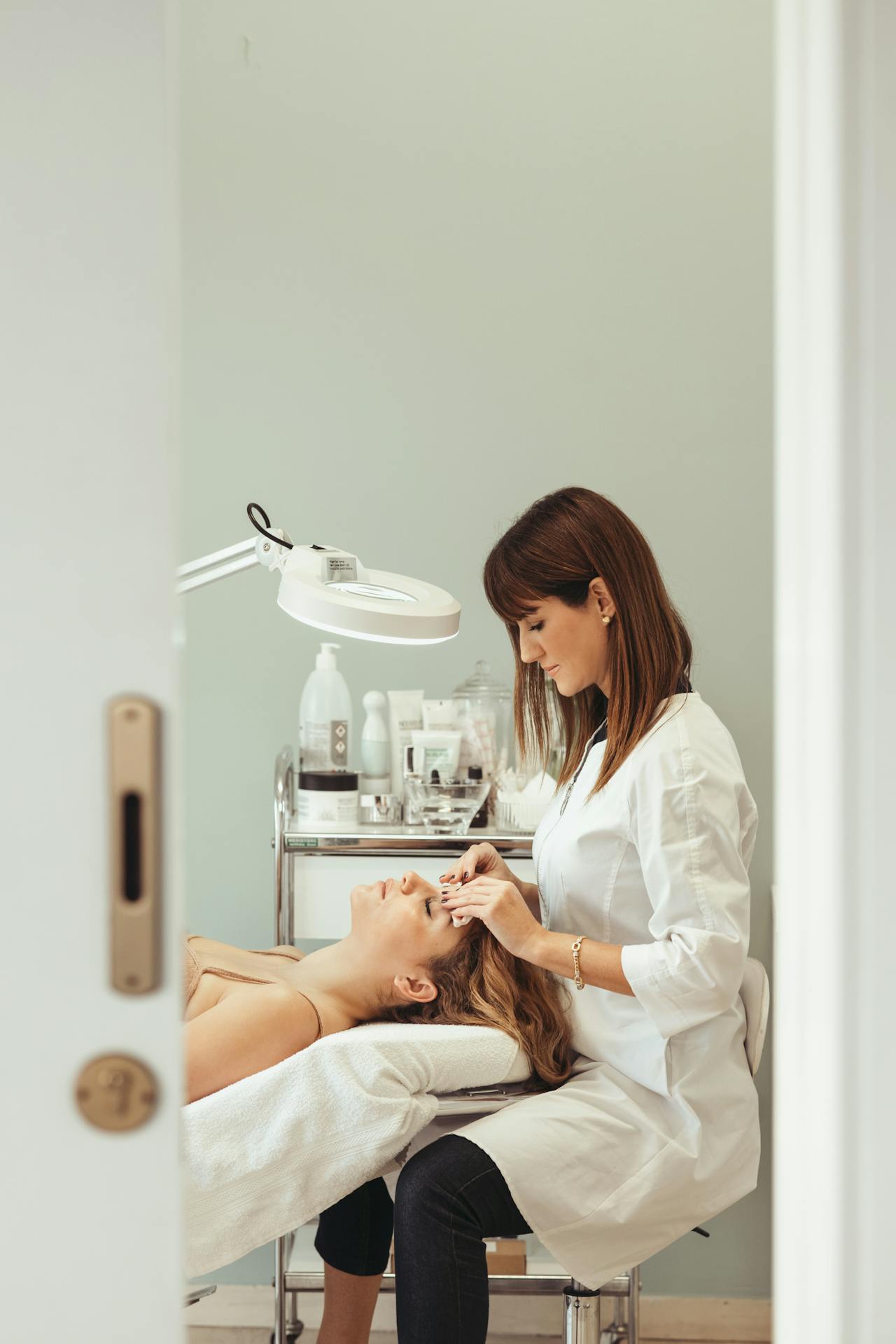
Top 3 Skincare Treatments in Houston for 2026
Everything you need to know about skincare & facials in Houston, TX — from choosing the right service to finding providers locals actually recommend. Pricing, FAQs, and booking links included.
Houston's 2026 Post-Procedure Skincare Tips: 5 Key Steps
Houston dermatologists share essential post-procedure skincare tips to optimize recovery and results. Discover expert advice tailored for your locale.
Oxygen Facial Cost in Houston: Real Prices
Oxygen facials in Houston cost between $80 and $150 in 2026. Learn about pricing factors, top spas, and tips for getting the best deals.
Top 3 Facial Clinics in Houston for 2026
Explore the top facial clinics in Houston for 2026, with detailed reviews on services, pricing, and special offers. Find the ideal clinic for your skincare needs today.
's Best Korean Glass Skin Treatments in Houston
Explore the rising trend of Korean glass skin in Houston for 2026, with insights on the best treatments and local provider options.