Oxygen Facial: What to Expect, Benefits and Aftercare
Pressurised oxygen infusion plumps and hydrates with zero downtime, but the oxygen is not the active ingredient. What the four versions do and how long the glow lasts.
The short answer
An oxygen facial uses pressurised oxygen to drive a hydrating serum, usually hyaluronic acid based, into the upper layers of skin. It plumps fine lines and produces a smooth, luminous surface with no downtime, which is why it is booked before events. The effect is hydration and temporary, not structural.
Know the types
Four quite different services share this label, and the gap between them is wide enough that a disappointing appointment is often just the wrong version.
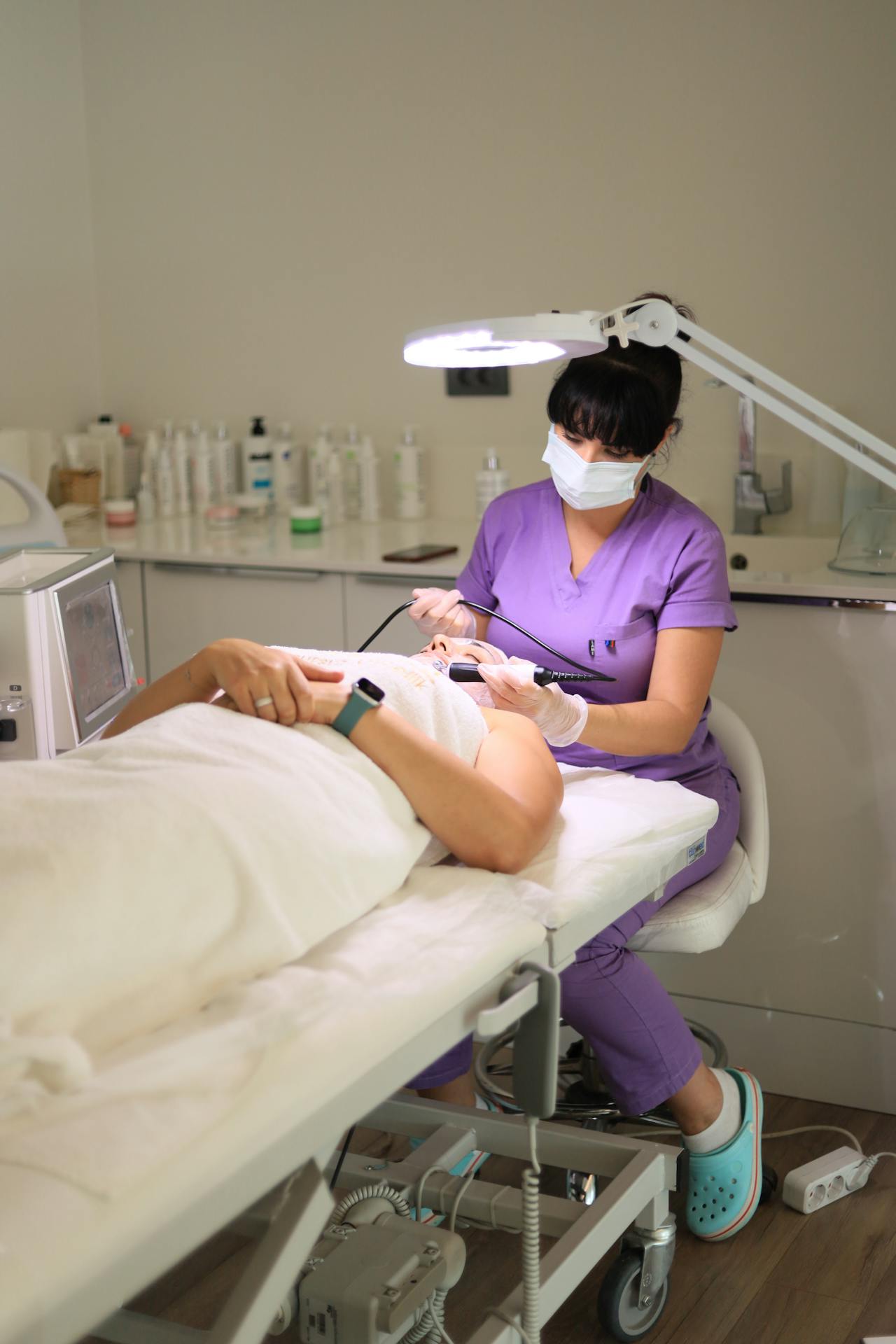
Pressurised oxygen infusion. The version most people mean, and the one systems like Intraceuticals popularised. A handpiece delivers oxygen under pressure while a serum is layered onto the skin, the pressure helping the hydrating ingredients settle into the upper epidermis. Sessions run about 45 to 60 minutes with cleansing and extraction included.
Oxygen dome or hyperbaric-style chambers. A concentrator delivers oxygen-rich air over the whole face rather than through a targeted jet. Usually offered as a relaxing add-on to another treatment, and the mildest of the four.
Oxygenating topical treatments. Effervescent foaming masks and capsule systems that generate oxygen chemically on the skin surface. There is no machine involved. They feel pleasant and exfoliate lightly, but they are a different treatment wearing the same name, and they should not cost what a machine infusion costs.
Oxygen as an add-on step. Increasingly common as the final stage of a hydradermabrasion or dermaplaning appointment. In this format it is a finishing touch on a treatment that is doing the real work through exfoliation and extraction.
Ask which of the four a clinic offers before booking. If the description mentions a mask and no device, you are booking the third type.
Benefits
What it does well is immediate and visible. Layering hyaluronic acid under pressure produces genuine plumping, so fine dehydration lines soften within the hour, makeup sits better, and the skin reflects light more evenly. Because there is no acid, no abrasion and no heat, redness is minimal and you can apply makeup the same day, which is exactly why it is a reliable pre-event booking. It is also one of the few facials that is comfortable for skin that reacts to nearly everything else: rosacea-prone, recently retinised or generally reactive skin usually tolerates it well.
The claims to treat sceptically are the ones about long-term change. Oxygen delivered topically does not meaningfully oxygenate living tissue, and the visible improvement comes from the hydrating serum and the pressure applied, not from oxygen acting on cells. There is no strong evidence for lasting collagen stimulation, so the honest framing is that this is a hydration and finish treatment, not an anti-ageing one.
That sets the boundaries clearly. Results last roughly three to five days for most people, and up to a week on well-maintained skin. It does not clear acne, and pushing serum into inflamed cystic skin is a poor idea. It will not fade pigmentation, resurface texture or reduce pore size beyond the temporary effect of plump, hydrated skin. If those are your concerns, chemical peels, microneedling or a retinoid regimen are the treatments that address them, and an oxygen facial is a pleasant complement rather than an alternative.
What it costs
Oxygen facials are not sampled separately in national pricing, so compare against the broader facial data rather than trusting a quoted national figure for this specific service. A facial runs a median of $125 across 59 salons, with most between $90 and $165. A signature facial runs a median of $110 across 17 salons, with most between $75 and $155.
Where a given clinic sits depends mostly on the system it runs and on whether the appointment is a standalone treatment or a finishing step added to a hydradermabrasion. Machine-based infusion with a branded serum system prices toward the upper part of those bands; a foaming oxygen mask should not. Because a single session's effect fades within the week, ask about course pricing if you want an ongoing result rather than an event-day one.
Aftercare
There is essentially no downtime, so aftercare here is about extending the result rather than managing a recovery.
The first evening: leave the skin alone and let the serum keep working. Makeup the same day is fine, which is the main practical advantage of this treatment, but heavy occlusive foundation immediately afterwards is a waste of what you just paid for. Skip retinoids, glycolic and salicylic acids and vitamin C that night, not because the skin is compromised but because the point is to keep it calm and saturated.
Days one to three: this is when the effect peaks, generally around 24 to 48 hours in. Support it by applying hyaluronic acid to damp skin and sealing it with a moisturiser, because hyaluronic acid on dry skin in dry air pulls moisture out of the skin instead of into it. Mineral SPF 30 or higher daily, and avoid the sauna and long hot showers, which dehydrate the surface faster than any serum can compensate for.
From day three: resume your normal actives. If you booked this for an event, the ideal timing is 24 to 48 hours before, not the same morning, since that lands the peak on the day and leaves room for the rare flush from massage or extractions to settle. For a sustained result, every two to four weeks matches the rate at which the hydration effect dissipates. Between appointments, a humidifier and a barrier-supporting moisturiser do more for the same look than an additional in-clinic session would.
Frequently asked questions
How long do the results last?
Does an oxygen facial help acne?
Is it safe for sensitive skin?
Is it just a hydrating facial with a machine?
When should you book it before an event?
Book before they fill
Get booked in this week
Popular appointment times fill days in advance. Take a minute now and keep the time you want.
Book my timeBooking with Gloss Skincare
Related articles
HydraFacial: What to Expect, Benefits and Aftercare
A HydraFacial cleanses, exfoliates, extracts and infuses in one 30 to 60 minute pass using a vortex tip. Here are the tiers, the boosters worth paying for, and what it will not fix.
Oxygen Facials: Types, Real Benefits and Aftercare
Oxygen facials deliver short-lived plumping and calm, not structural change. Here is how the three delivery methods differ, what the treatment realistically does for glow and post-procedure recovery, and how to care for skin afterwards.
Oxygen Facial Benefits, Cost & Results
$95 to $275 per oxygen facial in 2026. See how it works, who it's for, real results, and how it compares to HydraFacial and microdermabrasion.
Complete Oxygen Facials: What to Expect
Oxygen facials offer hydration and improved skin texture. Explore costs and benefits in this comprehensive guide to make informed decisions.
What Are Exosome Facials? Benefits, Cost, and Who They're Right for
Exosome facials use stem-cell-derived signaling molecules to boost recovery after microneedling, lasers, and chemical peels. Here is the science, the cost ($350 to $1,200), and the candid conversation about regulation in 2026.
Dermaplaning Facial Pricing and What to Expect
What a dermaplaning facial costs across US salons, what changes the number on your invoice, and how the treatment actually works on skin.
Facials in Maryland: Types, Benefits and Aftercare
Maryland skin swings between humid Chesapeake summers and dry heated winters. Here is which facial to book in which season, what they cost nationally, and how to vet a provider.
Facial Peels in Lawrenceville, GA: Types and Aftercare
A practical look at the peel depths offered around Lawrenceville and Gwinnett County, what each one treats, what providers charge, and the aftercare that decides your result.