Microdermabrasion for Face & Skin Care 2026
Learn about microdermabrasion, a treatment that exfoliates the skin to improve texture and appearance, with a cost comparison to alternatives.
Microdermabrasion is a non-invasive cosmetic procedure aimed at exfoliating the skin to improve texture and appearance. It helps reduce fine lines, age spots, and acne scars by removing the outermost layer of dead skin cells. This matters because smoother skin is often a confidence booster. A session typically lasts 30-60 minutes. However, it may not suit those with active acne or certain skin conditions.
Fast facts: Microdermabrasion at a glance (2026)
What microdermabrasion for face and skin care actually is
Microdermabrasion is a minimally invasive procedure that uses a device to gently sand the skin, removing the thicker, uneven outer layer. This process encourages new skin growth and resulting in a more youthful appearance. Many consider it for its ability to reduce aging signs with minimal downtime. Typical treatments involve renowned products like DermaSweep, SilkPeel, and Crystal Clear. However, individuals with rosacea should consult a dermatologist before proceeding. For more insights, visit our blog on skincare essentials.
How it works
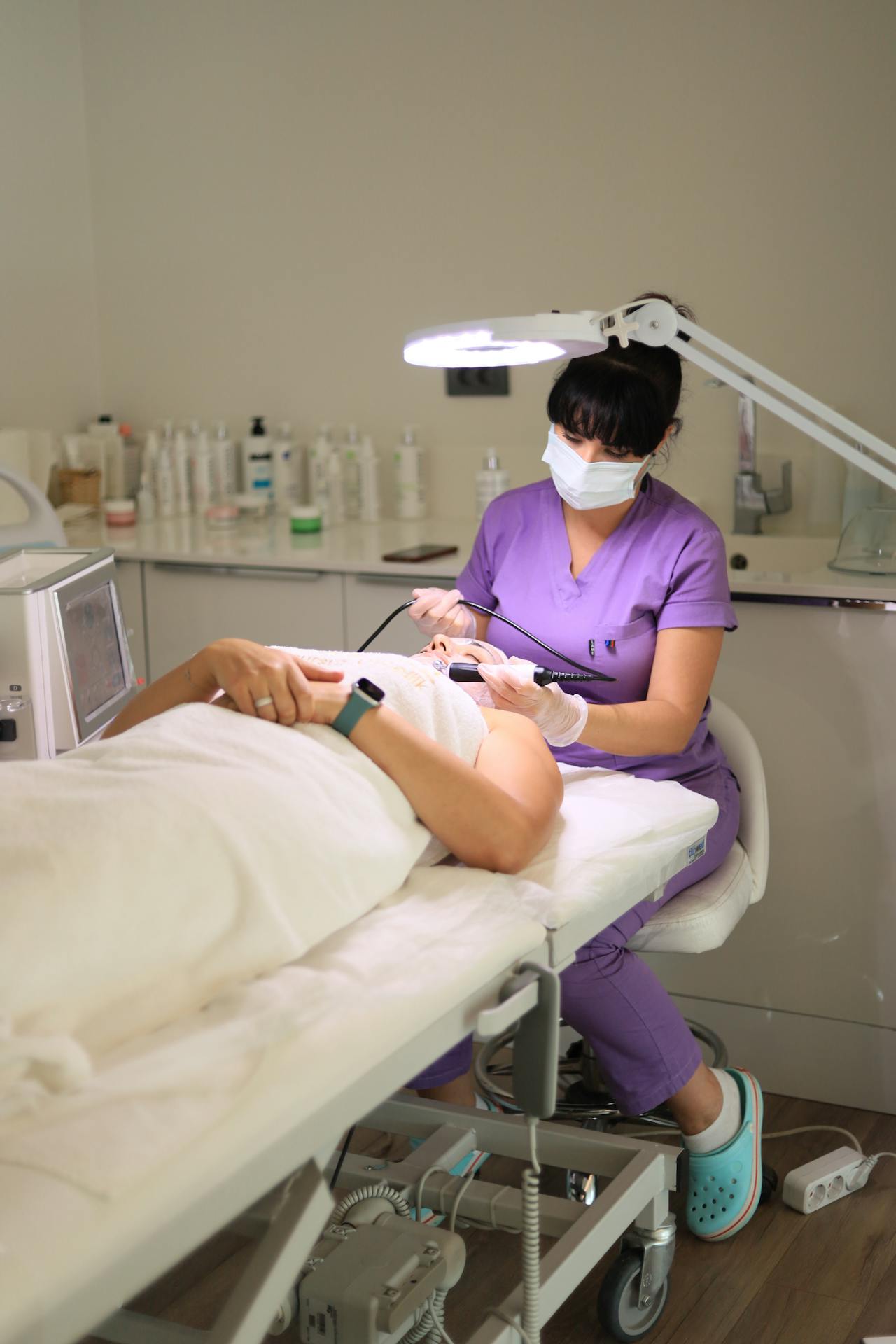
The process begins with a consultation to assess the client's skin and discuss expectations. An esthetician then uses a handheld device equipped with fine crystals or a diamond tip to exfoliate the skin. The device uses suction to remove dead skin cells, which takes approximately 30-60 minutes depending on the area treated. Over-treatment can cause redness or irritation. Research suggests a series of 6-10 treatments, spaced 7-10 days apart, yields optimal results. Learn more by checking Zoca Network estheticians' detailed bios.
Cost and time
The cost of microdermabrasion varies, with a typical session ranging from $75 to $200 based on the location and expertise. According to the American Society of Plastic Surgeons, prices can even reach $300 in more upscale clinics. Sessions usually last between 30 to 60 minutes, making them a convenient lunchtime procedure. Still, the total fee might increase with the addition of recommended aftercare products such as ZO Skin Health or SkinCeuticals, pushing long-term costs.
| Treatment | Price per session | Duration | Best for | Maintenance |
|---|---|---|---|---|
| Microdermabrasion | $75–$200 | 30–60 mins | Skin rejuvenation | Every 6–8 weeks |
| Chemical Peel | $150–$300 | 30–45 mins | Deep exfoliation | 2–3 times yearly |
| Laser Resurfacing | $1,000–$2,500 | 30–45 mins | Severe skin issues | Annually |
Who it suits and who it doesn't
Microdermabrasion suits those looking for a quick, non-invasive solution to improve their skin's texture. It's ideal for individuals with dull skin, mild acne scars, or uneven pigmentation. However, it might not be suitable for those with severe skin issues, active infections, or a history of keloid scarring. Consultations with certified professionals are crucial. According to the American Academy of Dermatology, alternatives or complementary treatments may be needed for specific conditions. For more guidance, explore our recent post on customized facials.
Alternatives compared
When comparing microdermabrasion with chemical peels and laser resurfacing, each offers unique benefits. Chemical peels often provide deeper exfoliation and are ideal for tackling deeper wrinkles. Laser resurfacing can address more severe skin imperfections but requires longer recovery. Choose the treatment that aligns with your skin goals and tolerance for downtime. Below is a comprehensive comparison:
| Type | Suitability | Cost Range | Recovery Time | Durability |
|---|---|---|---|---|
| Microdermabrasion | Mild exfoliation | $75–$200 | Minimal | Temporary, regular sessions |
| Chemical Peel | Moderate exfoliation | $150–$300 | 3–7 days | Semi-permanent |
| Laser Resurfacing | Severe issues | $1,000–$2,500 | Up to 2 weeks | Long-lasting |
Microdermabrasion serves as an efficient introductory treatment for those new to professional skincare, offering visible skin enhancement with minimal risk. It's essential to choose your treatments carefully, exploring options thoroughly before committing. After deciding on a procedure, maintaining the skin with recommended products significantly prolongs the benefits.
Next: Discover our guide to maintaining healthy skin post-treatment.
Factors That Influence Pricing
The cost of a microdermabrasion session is affected by several factors: geographic location, practitioner experience, and clinic reputation all contribute. Urban areas typically see higher charges due to the increased cost of living. Expertise can drive up costs; seasoned estheticians might command higher fees for their knowledge and precision. Additionally, the use of premium products, like DermaSweep or SilkPeel, during and after the treatment can increase the overall price. Repeat sessions might come with package discounts, but this discounting varies widely among providers. It's advisable to inquire whether follow-up sessions are priced differently or if full-face versus localized treatments (e.g., just the cheeks or T-zone) are billed separately.
Evaluating Treatment Quality
Quality in microdermabrasion is measured by the technician's skill and the aftercare results. Assess your esthetician’s certifications and years of experience before booking. Discuss the specifics of the procedure during the consultation, noting if they provide a personalized skin assessment. A high-caliber session won't leave you visibly red or irritated post-treatment, although slight pinkness for a few hours is normal. Check if the clinic conducts a follow-up or offers free touch-ups for unsatisfactory results. Patient satisfaction and optimal outcomes should guide your choice.
Essential Questions for Your Consultation
Before your first session, ask your esthetician about the specific technique they'll be using, whether it involves crystals, a diamond tip, or an alternative method. Understand how they plan to mitigate potential side effects, like redness or irritation. Inquire about the pre-treatment guidelines; some may advise avoiding certain skincare products or sun exposure beforehand. Explore their policy on aftercare and what products they recommend, keeping in mind these could add to your cost. Clarify the expected downtime and when you can return to your normal skincare routine. Also, see if they suggest complementary treatments for enhanced results.
Long-term Maintenance and Aftercare
Post-treatment care is crucial for maintaining results. Additional costs may arise from purchasing specialized aftercare products like those from ZO Skin Health. An SPF protection regimen is essential, as the procedure can make skin more susceptible to sunburn. Depending on the result of treatments, maintenance might necessitate periodic sessions every 2-3 months, especially if treating persistent concerns like acne scars. The investment in high-quality moisturizers and serums can also aid in prolonging the achieved smooth skin texture and youthful appearance.
FAQs
Microdermabrasion is less invasive than dermabrasion and involves a gentle exfoliation using crystals or diamond tips. Dermabrasion removes more surface layers and is typically used for more severe skin corrections.
While there are at-home kits available, professional treatments offer controlled intensity and are generally safer and more effective. Professional sessions ensure precision and efficacy not achieved with home kits.
Microdermabrasion is generally safe for most skin types, but those with sensitive skin or active acne should seek professional advice to avoid irritation or aggravation of their condition.
Results typically last several weeks, but maintaining a skincare routine tailored to your skin type and concerns helps extend the benefits. Regular sessions can contribute to longer-lasting improvements.
Aftercare includes hydrating the skin, avoiding sun exposure, and using non-comedogenic moisturizers. Investing in quality skincare products such as Aquaphor can alleviate dryness.
For deep scars, microdermabrasion is usually less effective. Alternative treatments like laser therapy or dermabrasion offer better results for such conditions.
For best results, sessions are typically spaced 4–6 weeks apart. However, personal needs may vary and should be determined during a consultation with a skincare professional.
To explore professional options, visit our listings for certified skincare experts.
Sources & references
Frequently asked questions
What is the price of a microdermabrasion session?
How long does a microdermabrasion session last?
What aftercare is required following microdermabrasion?
How can I choose the right esthetician for microdermabrasion?
Who should avoid microdermabrasion treatments?
How many sessions of microdermabrasion are recommended for best results?
Book before they fill
Get booked in this week
Popular appointment times fill days in advance. Take a minute now and keep the time you want.
Book my timeBooking with Gloss Skincare
Related articles
2026 Microdermabrasion Facial Aftercare Guide
Microdermabrasion facial aftercare is crucial for the best results. Follow our guide for timelines, essential steps, and product recommendations.
Skin Care Clinics in Virginia: 5 Key Qualities for 2026
Choosing the right skin care provider involves evaluating credentials, treatments, and client reviews. Explore your options and find the best match for your skin care needs in Virginia.
What to Expect from Your Maryland Facial: Tips
Uncover tips and insights about experiencing a maryland facial, from choosing the right provider to understanding treatment benefits.
2026 Scottsdale Facial Treatments: LED, Microderm, Peels
Explore top-rated facial treatments available in Scottsdale for 2026. From LED therapy to microneedling, find what's best for you.
Facial Peels in Lawrenceville: Best Options
Discover the best facial peel options in Lawrenceville for 2026. Learn about types, costs, and expert tips for achieving radiant skin.
PRP Microneedling Costs & Benefits in 2026
PRP microneedling costs $650 to $1,400 per session in 2026 with 3 to 4 sessions needed; 62 percent of clients report visible improvement at 90 days.
How Long After a Facial Can I Wear Makeup in 2026
After getting a facial, experts recommend waiting at least 24 hours before applying makeup. This time allows your skin to breathe and heal.
How to Prep Face for Dermaplaning in 2026
Dermaplaning prep involves removing heavy makeup, hydrating the skin, and using the right products. Consider costs between $15-$40 for DIY.